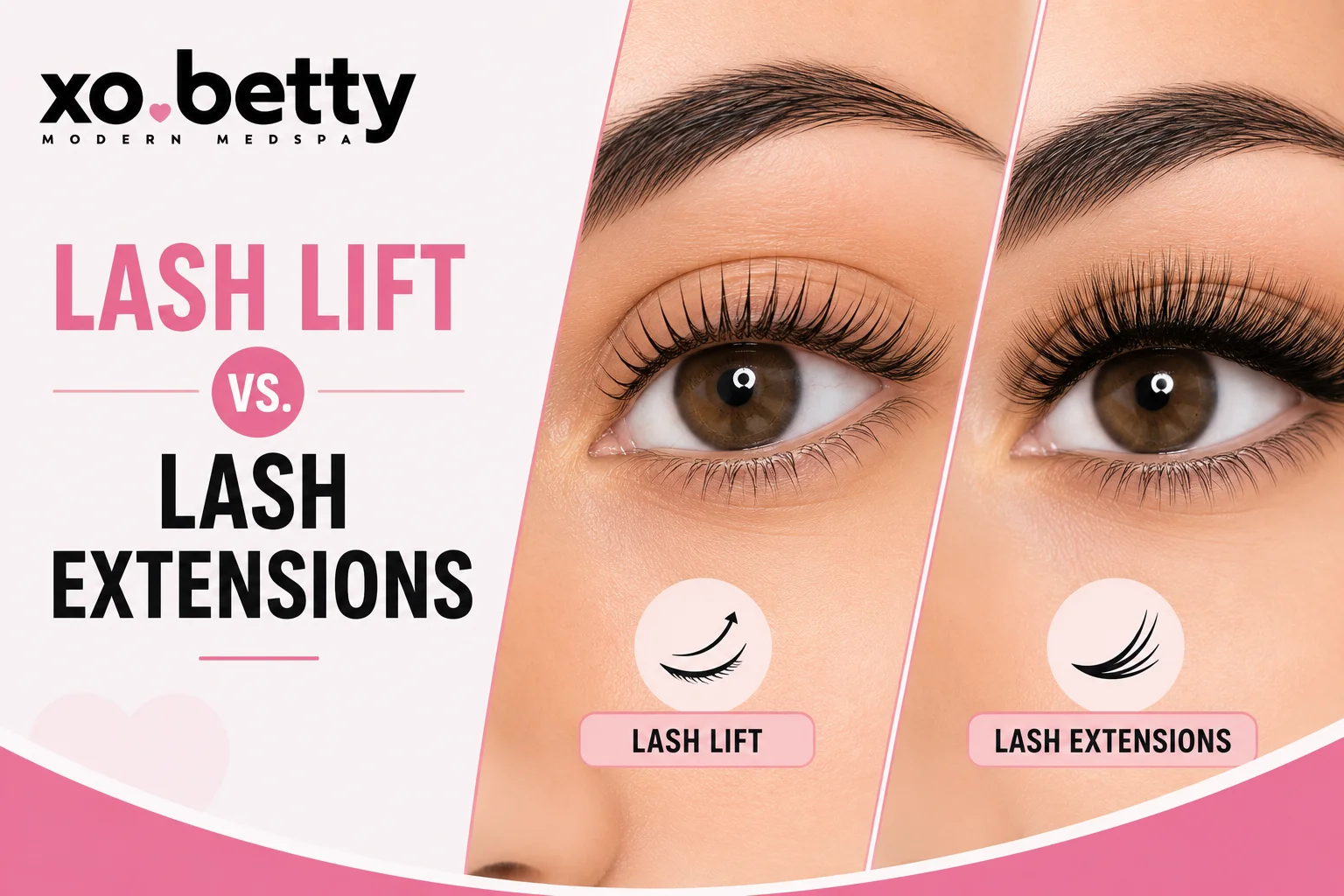
Lash extensions can make your natural lashes look longer, fuller, and more defined without applying strip lashes or mascara every morning. But if you have never booked a professional lash appointment before, you may be wondering exactly what happens during the process.
So, how are lash extensions applied?
Professional lash extensions are attached to individual natural eyelashes using lash adhesive. Your lash artist first cleans and prepares your lashes, protects the lower lashes, creates a lash map, isolates individual natural lashes, and then carefully attaches extensions based on your chosen style.
The process requires precision because the extensions should be attached to your natural lashes rather than directly to your eyelid.
Below, we’ll explain how lashes are applied step by step, how Classic, Hybrid, and Volume techniques differ, and what beginners should know before their first appointment.
How Are Lash Extensions Applied Professionally?
When explaining how are lash extensions applied, it is important to understand that professional extensions are different from traditional strip lashes.
Strip lashes are attached temporarily along the lash line. Professional extensions are applied to individual natural lashes.
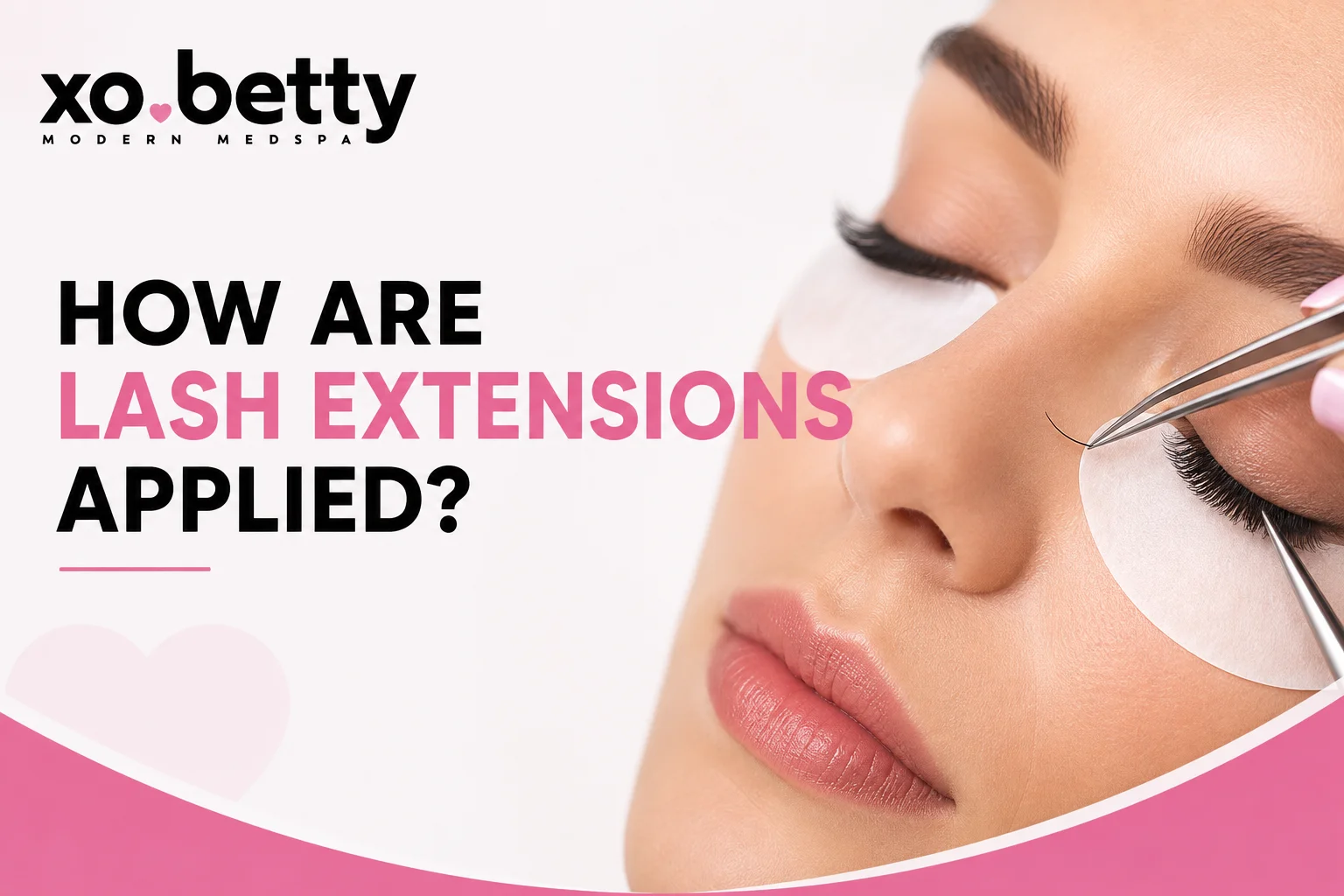
A lash artist uses specialized tweezers to isolate one natural lash before attaching the extension.
The basic process includes:
- Consultation
- Lash cleansing
- Lower-lash protection
- Lash mapping
- Natural-lash isolation
- Extension selection
- Adhesive application
- Extension placement
- Final inspection
- Aftercare instructions
Your exact application will depend on your natural lashes, eye shape, desired fullness, and the type of extensions you choose.
What Are Eyelash Extensions?
Eyelash extensions are lightweight fibers attached to natural eyelashes to add length, curl, definition, or volume.
Unlike strip lashes, extensions are designed to remain attached as your natural lashes move through their normal growth and shedding cycle.
You can customize characteristics such as:
- Length
- Curl
- Fullness
- Lash style
- Mapping
- Overall appearance
Some people prefer subtle lashes that look similar to naturally long eyelashes. Others prefer much fuller, more dramatic sets.
A professional lash artist should help select a style that works with both your desired appearance and the condition of your natural lashes.
How Lashes Are Applied Step by Step
If you’re wondering how lashes are applied step by step, here is what you can generally expect during a professional appointment.
Step 1: Your Lash Artist Discusses the Look You Want
A professional lash appointment should begin with a consultation.
Your lash artist may ask whether you want your lashes to look:
- Natural
- Wispy
- Full
- Dramatic
- Longer at the outer corners
- More open through the center
You can also show inspiration photos.
However, the exact result may need to be adjusted based on your natural lashes.
Your lash artist should consider factors such as:
- Natural lash length
- Natural lash strength
- Lash density
- Eye shape
- Lash growth direction
The goal is not simply to attach the longest extensions possible. A good set should complement your eyes without placing unnecessary weight on your natural lashes.
Step 2: Your Natural Lashes Are Cleaned
Clean lashes are important for good adhesion.
Before application, your lash artist removes:
- Makeup
- Mascara
- Oil
- Skincare residue
- Dirt and debris
Oil and product buildup can interfere with the adhesive bond.
For this reason, arriving at your appointment with clean eyes and no mascara can make preparation easier.
Step 3: Your Lower Lashes Are Protected
You will normally keep your eyes closed during the application.
Before starting, your lash artist separates the lower lashes from the upper lashes using under-eye pads, tape, or another professional method.
This prevents the upper and lower lashes from becoming attached to each other during application.
It also gives your lash artist a cleaner view of the upper lash line.
Step 4: Your Lash Artist Creates a Lash Map
Lash mapping is the plan used to determine where different extension lengths and curls will be placed.
Instead of applying the same extension across your entire eye, your artist can change lengths in different sections.
For example, a map might gradually increase lash length toward the outer eye.
Another map might place longer lashes around the center to create a more open-eye appearance.
The right map depends on:
- Eye shape
- Eyelid structure
- Natural lash direction
- Desired result
Customization becomes especially important for certain eye shapes. Our guide on how to apply eyelash extensions to monolid eyes explains how curl, length, and mapping may be adjusted when the eyelid structure changes lash visibility.
Step 5: One Natural Lash Is Isolated
Isolation is one of the most important parts of professional lash application.
Using specialized tweezers, the lash artist separates one natural eyelash from the surrounding lashes.
Why?
Because natural lashes grow and shed independently.
If several natural lashes are accidentally glued together, they may pull against each other as they grow.
Proper isolation allows individual lashes to continue through their natural growth cycle.
Step 6: The Right Extension Is Selected
The artist selects an extension based on the lash map and the strength of the natural lash being worked on.
Not every natural lash should necessarily receive the same:
- Length
- Thickness
- Curl
- Weight
Smaller or newer natural lashes may require lighter extensions.
This is one reason professional customization matters.
Step 7: The Extension Is Dipped in Adhesive
Once an individual natural lash has been isolated, the extension is carefully dipped into professional lash adhesive.
Only a controlled amount is needed.
Using too much adhesive can create:
- Visible clumps
- Added weight
- Poor separation
- Uncomfortable lashes
The adhesive is designed to create a semi-permanent bond between the extension and natural lash.
Step 8: The Extension Is Attached to the Natural Lash
The extension is then placed onto the isolated natural lash.
It should not simply be glued directly onto the eyelid.
The artist repeats this process across the lash line.
This is why a full professional set takes time. The artist may need to work carefully through a large number of individual natural lashes.
How Classic Lash Extensions Are Applied
Classic extensions use one extension on one natural lash.
This is commonly described as a 1:1 ratio.
For example:
1 natural lash + 1 extension
Classic lashes are ideal for someone who already has a reasonable number of natural lashes and wants:
- More length
- Better definition
- A natural finish
- A mascara-like appearance
They generally provide less density than volume techniques.
How Volume Lash Extensions Are Applied
Volume application works differently.
Instead of attaching one extension, the artist creates or uses a lightweight fan containing multiple fine extensions.
The entire fan is then attached to one isolated natural lash.
For example:
1 natural lash + lightweight fan
The goal is to increase fullness without simply attaching several heavy individual extensions.
Different volume techniques can create anything from soft fullness to a much more dramatic appearance.
One technique you may come across is russian volume lash extensions, which uses carefully created fans of very fine extensions to build greater density.
How Hybrid Lash Extensions Are Applied
Hybrid lashes combine Classic and Volume techniques.
Some natural lashes receive individual Classic extensions, while others receive Volume fans.
The result sits between the two styles.
Hybrid lashes can work well for people who want:
- More fullness than Classic
- Less density than a full Volume set
- Added texture
- A more customized appearance
Because the artist can control where individual extensions and fans are placed, Hybrid sets can create many different looks.
Classic vs. Hybrid vs. Volume Lash Application
| Type | Application | Typical Look |
| Classic | One extension per natural lash | Natural and defined |
| Hybrid | Combination of Classic and Volume | Textured and fuller |
| Volume | Lightweight fan on individual natural lashes | Full and dramatic |
The best option depends on your natural lashes and the look you want.
How Lashes Are Applied for Beginners: What Should You Expect?
If you’re researching how lashes are applied for beginners because you’re getting extensions for the first time, the appointment itself is usually straightforward from the client’s perspective.
You will generally:
- Discuss your preferred style.
- Lie comfortably on the treatment bed.
- Close your eyes.
- Keep your eyes closed while the extensions are applied.
- Open your eyes once your artist finishes and says it is safe to do so.
- Review your aftercare instructions.
You don’t need to understand professional lash application techniques before getting extensions.
What matters is choosing an experienced lash professional and clearly explaining the result you want.
Does Getting Lash Extensions Hurt?
Lash extension application should generally not be painful.
You may notice your artist working around the eye area, but you should not feel pulling, pinching, burning, or significant discomfort.
Tell your lash artist immediately if you experience discomfort during your appointment.
Do not assume that burning or significant irritation is simply a normal part of getting lash extensions.
How Long Does Lash Extension Application Take?
Application time depends on:
- Your natural lash density
- Type of lash set
- Desired fullness
- Artist’s technique
- Whether you’re receiving a full set or fill
A full set usually takes considerably longer than a fill because the artist is creating the entire lash design from the beginning.
Volume sets may also require additional time because multiple lightweight extensions can be involved.
Plan your appointment so you do not feel rushed.
How Long Do Lash Extensions Stay On?
Extensions shed along with the natural lashes they are attached to.
Natural lashes do not all grow and shed at the same time, so your extension set gradually becomes less full rather than disappearing all at once.
If longevity is your main concern, our guide answering how long do lash extensions last? explains the natural lash cycle, fills, retention, and factors that can cause extensions to shed sooner.
Why Are Lash Fills Needed?
Your natural eyelashes constantly move through a growth cycle.
Eventually, older lashes shed and new ones grow.
Because an extension is attached to a natural lash, the extension normally sheds with it.
That creates gaps in the original set.
A lash fill allows your artist to:
- Remove extensions that have grown out
- Replace lost extensions
- Fill visible gaps
- Restore the original shape
- Maintain fullness
Regular fills can keep your lashes looking consistent instead of waiting for most of the original set to shed.
How to Prepare for Your Lash Extension Appointment
Preparing properly can make the application process easier.
Before your appointment:
- Remove mascara.
- Avoid heavy eye makeup.
- Keep your lashes clean.
- Avoid oily products around your eyes immediately beforehand.
- Remove contact lenses if your provider recommends doing so.
- Tell your lash artist about known sensitivities or previous reactions.
You should also bring inspiration photos if you have a specific look in mind.
Lash Extension Aftercare
Your responsibilities do not end when the appointment finishes.
Good aftercare can help keep your extensions clean and support retention.
Follow the specific instructions given by your lash artist, which may include recommendations to:
- Clean your lashes regularly with an appropriate lash cleanser.
- Avoid rubbing or pulling them.
- Brush them gently with a clean spoolie.
- Be careful with products that may affect your adhesive.
- Avoid trying to remove extensions yourself.
Adhesive systems vary, so follow your own artist’s guidance regarding water, steam, and cleansing after your appointment rather than relying on a universal waiting period.
Can You Apply Professional Lash Extensions Yourself?
Professional individual lash extensions are very different from temporary strip or cluster lashes.
Trying to isolate individual natural lashes while keeping your own eye closed is extremely difficult.
Professional application also involves working with adhesive very close to the eye.
If you’re new to lashes and simply want temporary results at home, products designed specifically for consumer self-application are a different category.
For semi-permanent individual extensions, professional application is the safer and more practical approach.
What Can Affect Your Final Lash Extension Look?
Two clients asking for the same lash style may not receive identical results.
Your final appearance depends on:
- Number of natural lashes
- Natural lash strength
- Eye shape
- Lash growth direction
- Extension curl
- Extension length
- Mapping
- Technique
A professional artist should customize the design instead of applying exactly the same lash map to every client.
Professional Eyelash Extensions at XO Betty
If you want professional eyelash extension services in Hiram, GA, XO Betty offers Classic, Hybrid, and Volume lash options that can be customized based on your preferred length and style.
Classic lashes use a 1:1 natural-lash-to-extension technique for a more natural result, while Hybrid adds additional fullness by combining techniques. Volume is designed for clients who want a fuller, more dramatic look.
The right choice starts with your natural lashes and the result you want to see when you open your eyes.
Final Thoughts
So, how are lash extensions applied?
A professional lash artist begins by cleaning and preparing your lashes, protecting the lower lash line, and creating a customized lash map. Individual natural lashes are then isolated before extensions or lightweight fans are carefully attached using professional lash adhesive.
The process may sound simple when broken into steps, but good lash application requires precision, patience, proper isolation, and an understanding of natural lash health.
Classic, Hybrid, and Volume techniques also require different application methods, which is why your first step should be deciding what type of result you want and discussing it with your lash artist.
With the right application and aftercare, lash extensions can give you a customized look ranging from subtle everyday definition to full, dramatic lashes.
FAQs
How are lash extensions applied?
Lash extensions are professionally attached to individual natural eyelashes using lash adhesive. The artist cleans the lashes, protects the lower lashes, creates a lash map, isolates individual natural lashes, and carefully attaches extensions based on the desired style.
Are lash extensions glued to your eyelashes or skin?
Professional lash extensions are attached to natural eyelashes rather than directly to the eyelid skin. Proper placement and isolation are important for comfort and natural lash growth.
What is the correct way to apply eyelash extensions?
Eyelash extensions should be applied individually to clean, isolated natural lashes using professional lash adhesive. They should not touch the skin or cause lashes to stick together. Proper application helps protect natural lashes and creates an even, comfortable finish.
How painful are eyelash extensions?
Eyelash extensions should not be painful when applied correctly. You may feel slight pressure or notice the technician working near your eyes, but the process is generally comfortable. Burning, stinging, or ongoing discomfort may indicate irritation or sensitivity to the adhesive.
How are you supposed to sleep with eyelash extensions?
Try sleeping on your back to reduce pressure and friction on your lash extensions. If you sleep on your side, avoid pressing your lashes directly into the pillow. A silk or satin pillowcase may also help reduce snagging and premature lash loss.
What are the downsides to lash extensions?
Lash extensions require regular fills and daily care to keep them looking their best. Poor application or excessive rubbing can damage natural lashes. Some people may also experience irritation or an allergic reaction to lash adhesive.